2026 Cappadocia Travel Guide for First-Time Visitors
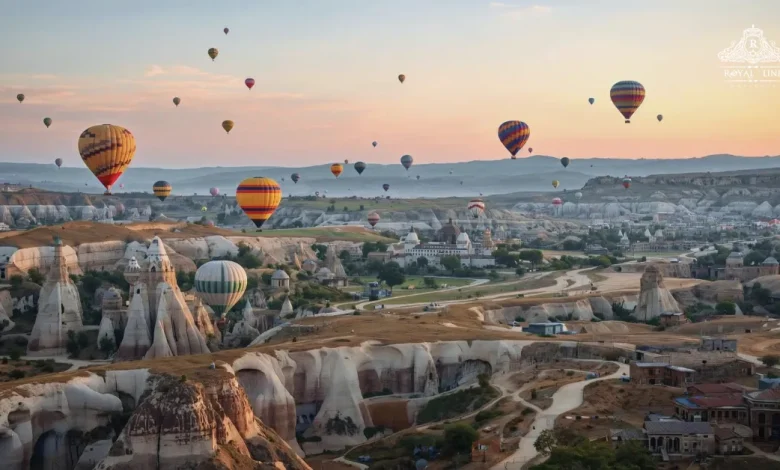
Cappadocia stands as one of the most visually extraordinary regions in the world, renowned for its dreamlike geology, ancient cave dwellings, and unparalleled sunrise balloon flights. Nestled in central Turkey, this region mesmerizes first-time visitors with landscapes that appear straight out of a fairy tale—where whimsical rock formations known as “fairy chimneys” punctuate endless valleys, and centuries-old underground cities lie beneath volcanic tuff. This meticulously crafted guide provides everything newcomers need to know to design an unforgettable Cappadocia itinerary, maximize their stay, and experience the very soul of this UNESCO-listed wonderland.
Why Visit Cappadocia? The Allure and Essence of the Region
Few places on earth combine such a remarkable convergence of nature, history, and culture as Cappadocia. Renowned most famously for its magical landscapes—marked by towering rock cones, ancient cave churches, and undulating valleys—this region invites exploration both above and below ground. The allure is especially pronounced for adventure-seekers dreaming of a sunrise hot air balloon ride or history lovers eager to step inside thousand-year-old frescos at the Göreme Open-Air Museum. Equally, the warmth of authentic cave hotels and flavors of home-cooked Anatolian cuisine serve as gentle introductions to Turkish hospitality. First-time visitors find themselves awestruck not just by the scenic vistas, but by the deep sense of discovery that every corner of Cappadocia promises.
The Quintessential Experiences in Cappadocia
Embarking on your inaugural Cappadocia trip means carefully selecting not-to-miss highlights that epitomize the region’s magic. Among myriad possibilities, several experiences stand out as essentials—forming the backbone of any remarkable visit.
Hot Air Ballooning at Sunrise: The Unrivaled Spectacle
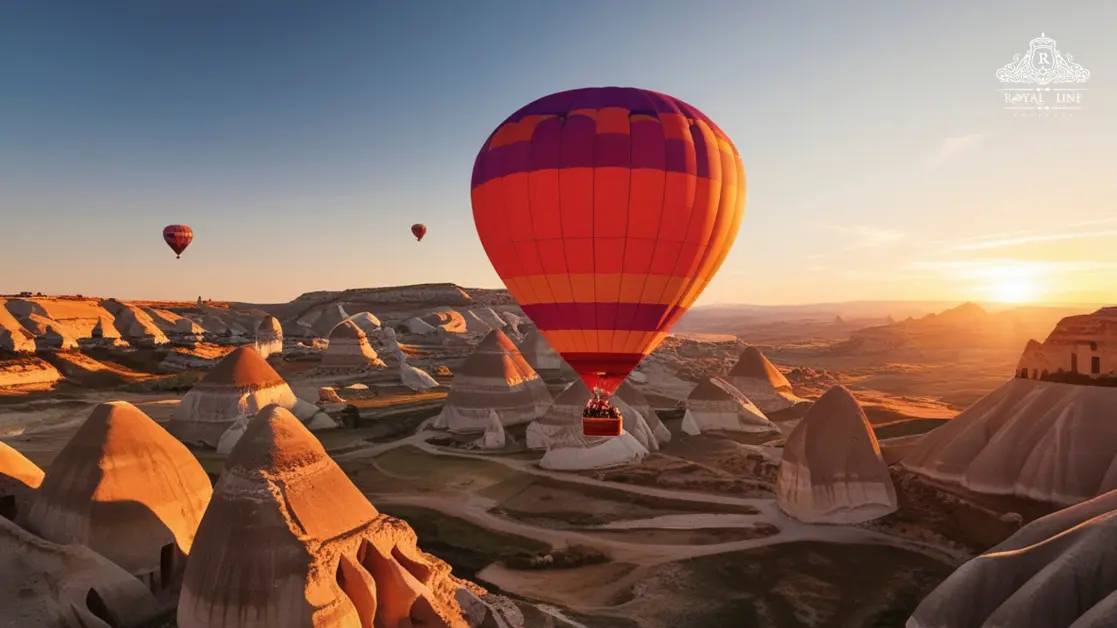
Nothing encapsulates Cappadocia’s distinctiveness quite like soaring above its otherworldly landscapes in a hot air balloon at dawn. This visual extravaganza is a rite of passage for any traveler. As the first rays of sunlight illuminate rippling valleys and fairy chimneys, patterns of color shift breathtakingly across the land. The view from above unveils a tapestry of history and geology, best appreciated from the tranquility a few hundred meters up. Seasoned travelers recommend scheduling your balloon flight for your second morning, allowing for rescheduling in case of weather cancellations, as conditions can be unpredictable.
Fairy Chimney Valleys: An Exploration of Geological Marvels
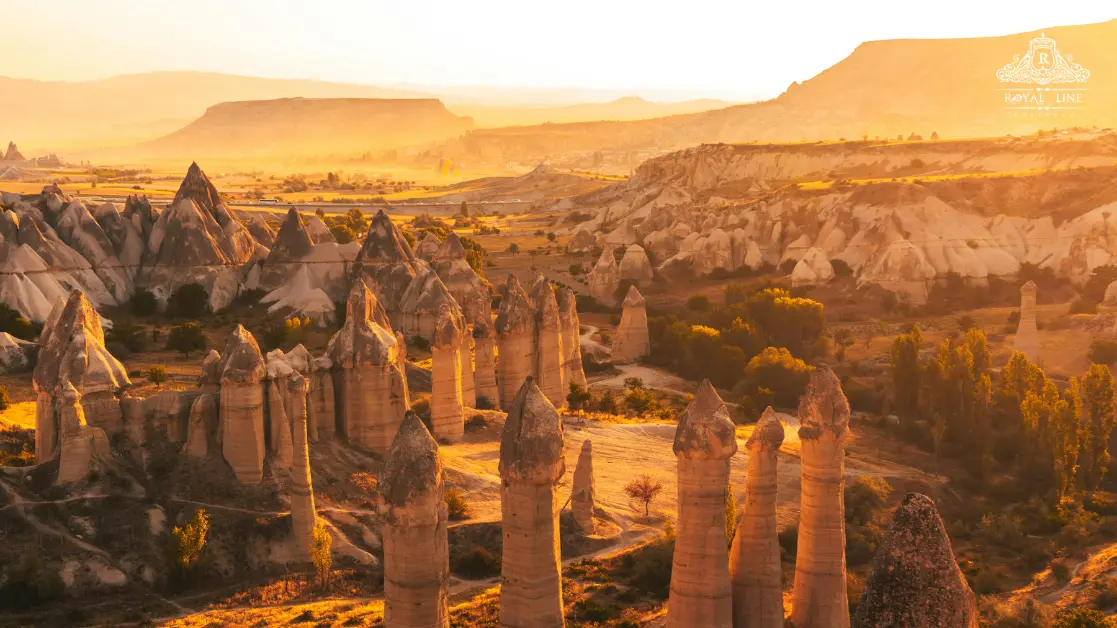
Cappadocia’s captivating “fairy chimneys” emerge from the ground like the spires of an ancient city. These natural pillars, sculpted by millennia of erosion, are concentrated in dramatic valleys that beg exploration.
- Love Valley: Famous for its whimsical formations and sweeping vistas, this valley’s singular shapes and undulating path make for a memorable hike and iconic photo opportunities.
- Pigeon Valley: Winding between the towns of Göreme and Uçhisar, Pigeon Valley offers both scenic walks and panoramic lookouts punctuated by pigeon houses carved into soft tufa walls.
- Devrent (Imagination) Valley: Defined by rocks in fantastic animal-like shapes, Devrent stimulates the visitor’s imagination while offering a peaceful, less-trodden landscape.
- Paşabağ (Monk’s) Valley: Distinguished by twin or even triple-headed chimneys, Paşabağ once sheltered hermits and monks, lending a layer of mystique to its unique formations.
- Rose Valley: Rosy-hued cliffs and sweeping trail networks make this a haven for hikers and sunset lovers alike.
Göreme Open-Air Museum: A Treasury of Rock-Carved Heritage
Regarded as the spiritual and cultural heart of Cappadocia, the Göreme Open-Air Museum is a UNESCO World Heritage site and an essential destination for any itinerary. The complex is a vast cluster of rock-hewn churches, chapels, and monasteries—many adorned with intricate Byzantine frescoes that have endured for centuries. Walking through the clusters, you gain tangible insights into early Christian civilization and monastic life. Some structures date as far back as the 10th century, and the atmosphere is both serene and steeped in history.
Uçhisar Castle: Panoramic Vistas from Cappadocia’s Highest Point
Dominating the Cappadocian skyline, Uçhisar Castle is a natural rock fortress that can be seen from miles away. Climbing to its summit rewards you with commanding, 360-degree views of the entire region. Beyond its strategic historical role, Uçhisar today is the perfect vantage point for appreciating the full scale and beauty of Cappadocia’s unique terrain—especially at sunset, when the landscape glows with golden light.
Underground Cities: Descend into the Mysteries of Derinkuyu and Kaymaklı
Beneath the tranquil countryside, Cappadocia conceals a labyrinth of underground cities, carved for survival and refuge throughout centuries of invasions. Derinkuyu and Kaymaklı, among the most accessible, delve multiple levels deep—revealing chapels, stables, kitchens, and complex ventilation systems. For first-timers, these underground marvels not only stir the imagination but unveil the tenacity and ingenuity of ancient civilizations who thrived here in the face of relentless uncertainty.
Avanos: Artistic Traditions and Hands-On Pottery Experiences
The riverside town of Avanos introduces visitors to Cappadocia’s artisanal soul. Celebrated for its pottery workshops, Avanos invites you to watch or even try your hand at ancient pottery techniques perfected over generations. The town’s studios and galleries brim with creativity, while its cobbled streets offer a quieter, authentic flavor of region life. Sampling other local crafts and enjoying the gentle ambiance by the Kızılırmak River rounds out the experience.
The Best Times to Visit Cappadocia
To get the most from your time in Cappadocia, timing your visit according to weather and crowd patterns is crucial. The most rewarding seasons for first-timers are spring (April–June) and autumn (September–November). During these months, the region enjoys mild, sunny days and crisp nights. Landscapes bloom vividly in spring or are awash with golden hues in autumn—offering perfect conditions for hiking, sightseeing, and photography. Crowds are typically lighter compared to the high summer period (July–August), which sees high temperatures and an influx of visitors. Winter transforms Cappadocia into a serene, snow-dusted spectacle, yet accessibility and ballooning opportunities become more limited by snowy conditions.
Where to Stay: The Magic of Cave Hotels in Cappadocia
Lodging is an integral part of the Cappadocia experience, and staying in a cave hotel is highly recommended. These unique accommodations, carved directly into ancient rock, blend modern comforts with a deep sense of history and place. The towns of Göreme and Uçhisar offer the widest selection, ranging from luxury to boutique options. From heated stone floors and panoramic terraces to intimate rooms furnished with Anatolian textiles, cave hotels are designed to let you soak in the unforgettable atmosphere of Cappadocian living. The extra layer of authenticity—waking up in a rock-chiseled suite as balloons rise outside—ensures memories that last a lifetime.
Cappadocian Cuisine: What and Where to Eat
Culinary adventures are indispensable to any visit. Cappadocian cuisine reflects hearty Anatolian traditions and locally sourced ingredients, resulting in dishes that are both comforting and richly flavored. First-time visitors should seek out specialties like the celebrated Pottery Kebab (“Testi Kebabı”), a slow-cooked stew traditionally seared and served in a sealed clay pot, cracked open at table-side. Complement your meals with regionally produced wines—a testament to Cappadocia’s ancient winemaking culture. Many cave hotels and local restaurants in towns like Göreme and Avanos deliver both atmospheric settings and authentic flavors. Don’t hesitate to sample homemade baklava or try out a local café for Turkish tea.
Practical Tips for First-Time Visitors
A rewarding Cappadocia experience relies as much on preparation and local knowledge as it does on sightseeing. Below are essential practicalities to ensure a smooth, memorable trip.
- Getting Around: Cappadocia’s main highlights are scattered over a broad area. Local sightseeing tours—often grouped as “Red” and “Green” Route tours—are popular and efficient ways to cover multiple landmarks in a single day, with the added benefit of a guide’s expertise. Alternatively, confident travelers might rent a car or ATV for more independence.
- Packing Essentials: The region’s high-altitude location brings fluctuating temperatures—clear mornings can quickly give way to chilly nights or breezy afternoons, especially during balloon rides. Pack layered clothing, a warm jacket, resilient walking or hiking shoes (the valleys are rugged and often uneven), plus sunscreen and sunglasses to combat the sun’s intensity. A reliable camera and extra batteries or memory cards are mandatory for capturing the endless photogenic vistas.
- Money Matters: Turkish Lira (TRY) is the currency of choice throughout the region. Credit and debit cards are widely accepted by hotels, tour operators, and restaurants in major towns, but carrying some cash remains prudent for use in smaller shops and markets.
- Cultural Etiquette: Turkish hospitality is heartfelt and genuine. Learning some basic phrases—such as “Merhaba” for hello and “Teşekkürler” for thank you—will be greatly appreciated and can foster warm interactions with locals.
Suggested 3–4 Day Cappadocia Itinerary
To help you make the most of your stay, here’s a model itinerary balancing adventure, sightseeing, and local immersion. Adjust the sequence to suit your preferences, but try to slot the hot air balloon experience early to account for weather-related rescheduling.
Day 1: Arrival and Explorations in Göreme
- Check In: Arrive and settle into your chosen cave hotel—absorb the ambiance and relax after your journey.
- Explore Göreme Town: Take a gentle stroll through this charming hub, visiting craft shops, cafés, and the local viewpoint for a first taste of Cappadocia’s distinct topography.
- Sunset Views: Head to the panoramic viewpoint or Red Valley for an unforgettable sunset over the chimneys and valleys.
Day 2: The Signature Experiences
- Hot Air Balloon Ride: Rise before dawn for your scheduled flight, culminating in once-in-a-lifetime aerial vistas at sunrise.
- Göreme Open-Air Museum: After ballooning, visit this UNESCO marvel to absorb centuries-old Christian art and architecture.
- Uçhisar Castle: In the afternoon, climb to the summit for sweeping views. Pair the visit with exploration of the village streets below.
- Love Valley: Conclude the day with a stroll or short hike through Love Valley’s unique formations.
Day 3: Underground Mysteries and Artisan Delights
- Underground City: Set out early to visit Derinkuyu or Kaymaklı, delving into their intricate subterranean passages.
- Paşabağ Valley: Wander among surreal rock towers that once sheltered ancient monks.
- Avanos Pottery Workshop: Try your hand at pottery or watch a local master craft traditional wares.
- Sunset: Return to Göreme or Rose Valley to watch the landscape change hues with the sinking sun.
Day 4: Final Scenic Hikes and Departure
- Morning Hike: Embark on an early trek through the Red or Rose Valleys, or, for a more off-the-beaten-path adventure, Ihlara Valley.
- Departure: Check out and transfer to your next destination, bidding Cappadocia farewell.
Frequently Asked Questions
Is a hot air balloon ride in Cappadocia worth the cost?
Yes, a hot air balloon ride is widely considered Cappadocia’s defining experience. The panoramic, dreamlike views at sunrise are exclusive to the region and cannot be replicated elsewhere. While balloon flights require a significant investment, the sensory and visual spectacle make it a must for most first-time visitors.
What is the best time of year to visit Cappadocia?
The ideal months for exploring Cappadocia are April to June and September to November. During these periods, the weather is pleasant, hiking conditions are optimal, and crowds are relatively light. Summer brings the hottest weather and denser tourism, while winter, though peaceful and scenic, can restrict outdoor activities and access due to snow.
How many days should I spend in Cappadocia?
Three to four days is recommended for capturing Cappadocia’s highlights without feeling rushed. This allows for flexibility—especially with balloon flights potentially rescheduled due to weather—alongside sufficient time to explore the valleys, underground cities, museums, and local crafts at a comfortable pace.
Do I need to book tours in advance?
For widely sought experiences—especially hot air balloon flights and major guided tours—advance booking is strongly advised, particularly in peak seasons. Local “Red” and “Green” Route tours offer convenient ways to see multiple attractions in a day and commonly include hotel pickup. Booking through reputable agencies ensures smooth logistics.
Are cave hotels comfortable and safe?
Today’s cave hotels combine historical ambiance with modern standards of comfort, safety, and cleanliness. They are equipped with contemporary amenities such as heating, Wi-Fi, and private bathrooms, while their rock-insulated rooms provide a unique sense of serenity and security. Well-established properties operate to high professional standards and are a highlight of the Cappadocia experience.
What should I pack for a Cappadocia trip?
Prepare for fluctuating temperatures by layering clothing—mornings and evenings can be chilly, especially during balloon rides. Pack a warm jacket, comfortable walking shoes suited for uneven terrain, sunscreen, sunglasses, and camera equipment. Bringing spare Turkish Lira for small purchases is also recommended.
How do I get around Cappadocia?
The main towns and attractions are spread across the region. Daily guided tours (themed as Red/Green Routes) provide convenient transport and expert commentary. For more independence, visitors may opt to rent ATVs or a private vehicle. Walking and hiking are also enjoyable for exploring valleys and nearby attractions within towns.
Are ATMs and cards widely accepted? Should I carry cash?
While credit and debit cards are accepted at most hotels, restaurants, and shops in larger towns, it is prudent to carry cash (Turkish Lira) to accommodate small vendors, market stalls, and rural areas where card machines may not be available.
What local etiquette should I observe in Cappadocia?
Turkish culture deeply values politeness and warm greetings. Simple phrases like “Merhaba” (Hello) and “Teşekkürler” (Thank you) help foster goodwill. Modest dress is preferred when visiting religious sites. It’s also courteous to ask permission before photographing people or entering private areas.
Can I visit Cappadocia in winter?
Visiting in winter offers a tranquil, snow-blanketed landscape and fewer crowds. However, some activities—particularly hot air ballooning—are weather dependent and subject to cancellation. If you appreciate a peaceful, atmospheric experience and plan accordingly for cold weather, winter can be enchanting, though outdoor access may be reduced.
Final Thoughts: Making Your Cappadocia Trip Unforgettable
For first-time visitors, Cappadocia delivers a rare blend of natural beauty, history, cultural depth, and unforgettable adventure. From the aerial poetry of a hot air balloon dawn to the silent corridors of ancient underground cities and the nurturing warmth of local hospitality, the region has the power to surprise, inspire, and captivate on every level. With strategic planning, an open mind, and curiosity in tow, your first encounter with Cappadocia is sure to become one of your most cherished travel memories.