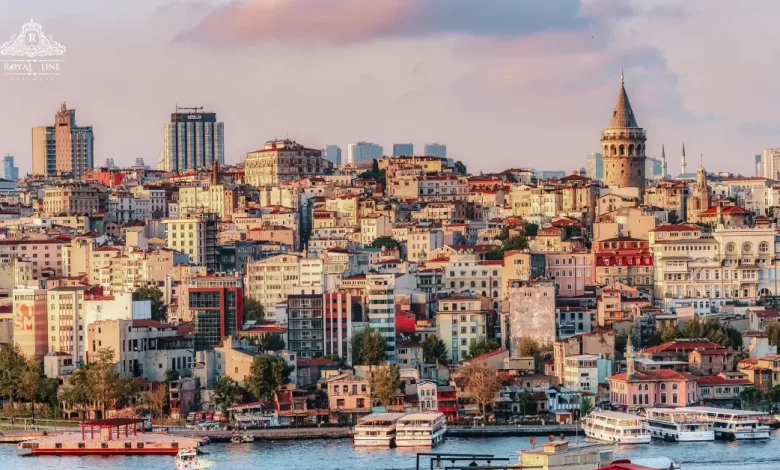
Best times to visit Galata Tower
Choosing the right moment to experience Galata Tower can transform a routine stop into a defining memory of Istanbul. The difference often comes down to timing: when you go, what the light is doing, how busy it gets, and how the season shapes comfort and visibility. With the right plan, you’ll find shorter lines, better photographs, and an atmosphere that lets you appreciate the skyline in full. This guide distills the most effective strategies into a clear plan: aim for early mornings right at opening for calm and clarity, or target sunset and nighttime for the city’s most magical colors and after-dark sparkle. Weekdays consistently bring less congestion than weekends, and shoulder seasons—April to May and August to October—offer the most pleasant weather without peak-season intensity. A handful of practical details matter too: opening hours usually run 9 AM to 7 PM (later in summer), the ticket office closes earlier and sits in a separate building, and the streets are steep and cobbled—so put on truly comfortable shoes and expect a few stairs even with the elevator.
Every recommendation in this guide is geared toward maximizing your time on the tower and minimizing friction. Arrive right when doors open (around 9 AM) or reach the area well before sunset, and you’ll get the best of both worlds: smoother entry and superior light. If you’re looking for fewer crowds overall, consider weekdays and off-season travel, accepting cooler temperatures as a trade-off for a quieter experience. If you’re after the most photogenic moments, nothing surpasses the glow of golden hour or the glittering skyline after dusk. The key is to align your visit with your priorities—light, lines, or atmosphere—while respecting the simple logistics that can easily make or break a tight schedule.
Why Timing Matters at Galata Tower
Galata Tower sits at the intersection of Istanbul’s history, energy, and panoramic drama, and those qualities can be diluted by dense crowds and suboptimal light. Light and lines are the two levers you can actually control. Early in the morning, you’ll typically face shorter queues and softer, more flattering light that lends clarity and depth to the cityscape; in the evening, the golden-hour glow and nighttime illumination deliver a more theatrical transformation of the skyline, bridges, and minarets. Weekdays naturally pull crowds down compared with weekends, while the off-season further reduces overall visitor numbers, though with cooler weather. Each of these factors—time of day, day of week, and season—works cumulatively. Choose a weekday morning in shoulder season and you’ll compound the advantages, often dramatically so. Conversely, a peak-season weekend at a popular hour can quickly test your patience. Timing isn’t just a logistical detail; it’s the backbone of the entire experience, shaping how you see, what you capture, and how long you wait to get there.
The Three Prime Windows: Early Morning, Sunset, and Night
Early Morning (Right at Opening): Calm, Clarity, and Clean Light
If your priority is fewer people and crisp, natural illumination, arriving at opening—around 9 AM—is the single most effective tactic. Mornings typically begin with shorter lines, and the city itself looks cleaner and more legible under the day’s first light. From a photographic perspective, that matters: clear, even lighting reveals details, edges, and textures without harsh contrast. From a practical perspective, stepping in at opening gives you momentum: you move through ticketing and entry more efficiently, and you’re less likely to have your plans derailed by a bottleneck. This is especially valuable on a tightly scheduled day or when traveling with companions who prefer a smoother, less hurried pace.
Beyond the technical benefits for photographers, a morning visit offers a different emotional tone. You’re not wrestling with peak crowds, and you have space to enjoy the view. Lines are easier, movement feels freer, and you’re less pressured by the ticking clock. Weekdays magnify this effect, trimming attendance and lowering background noise. If you want a calm city panorama and the best odds of walking straight up without a long wait, morning opening hours are your best bet. Even with this advantage in hand, remember the essentials: the ticket office is separate and easy to miss, so find it first, and expect some stairs even after using the elevator. Comfortable shoes are not a luxury—they’re essential on the steep, cobblestoned approaches.
Sunset (Golden Hour): Color, Atmosphere, and the Bosphorus at Its Best
For many travelers, the most unforgettable moment at Galata Tower comes at sunset. As the day slides toward evening, the city shifts dramatically: the Bosphorus takes on deep blues and copper reflections, the skyline softens under warm tones, and the city’s textures glow with a cinematic quality. The transformation is pronounced enough that planning around it is well worth the effort. Arrive about an hour before the sun dips—this buffer helps you secure your spot before any late rush, gives you time to find the ticket office comfortably, and lets you watch the light evolve from warm to spectacular. That last hour before sunset, often called golden hour, has a particular magic in Istanbul as minarets and bridges silhouette against the sky and water.
Sunset, however, is popular, and that popularity is exactly why the early arrival matters. The difference between stepping onto the tower with a cushion of time and sprinting for a view at the last minute can mean the difference between a poised, reflective experience and a hurried scramble. Weekdays again make things easier than weekends, and the shoulder seasons distribute crowds more generously across the day. By planning a well-before-sunset arrival, you give yourself the freedom to take the view in stages—watching the sky color, the city soften, and the first city lights spark to life.
Night: A Glittering, Completely Different City
Once the sun has dropped and the city lights take over, Istanbul turns into a new subject entirely. The skyline, minarets, and bridges shift from textured silhouettes to luminous outlines, carving bright paths across the dark. At night, the view is less about fine detail and more about pattern, rhythm, and glow. The result feels glamorous and hushed at once, which is why many visitors choose to stay past sunset or return after dark for a second take. If you love city lights, this is the most dramatic window, delivering that classic Istanbul gleam.
Nighttime also comes with practical benefits: heat is no longer a factor, and the atmosphere feels less hurried compared with late-afternoon surges. Planning-wise, connect this visit with the preceding sunset strategy—arriving well before sunset gives you the best of both worlds. If you’re specifically targeting night only, keep the logistics crisp: confirm the day’s closing time in advance since hours can vary, remember the ticket office closes earlier than the tower itself, and anticipate the climbs and cobblestones with proper footwear. Even with an elevator, some stairs remain, so set expectations accordingly.
Weekdays, Weekends, and the Off-Season Advantage
One simple filter consistently improves a Galata Tower visit: choose a weekday. Weekdays are generally less crowded than weekends, which means shorter waits, easier movement, and a more spacious perspective. If you can shift your visit even one day away from the weekend, the difference tends to be noticeable. Layer this choice with the time-of-day strategies—morning opening or pre-sunset arrival—and you compound the benefits. This is particularly useful for families, travelers with limited mobility, or anyone who values breathing room to linger and look.
The off-season functions similarly, thinning out crowds across the board. You’ll encounter fewer tourists overall, though it will likely be cooler. If you enjoy quieter spaces and don’t mind bundling up, the off-season can deliver exactly what many travelers crave: an unhurried vantage point where the city feels present and personal. In exchange, you accept the seasonal realities, which may include chillier winds and shorter daylight hours. The decision comes down to your tolerance for cooler weather versus your desire for reduced foot traffic. If comfort is a top priority, aim for the shoulder months with milder conditions; if solitude is the goal, the off-season is your ally.
Seasonal Strategy: Comfort, Clarity, and Crowd Balance
Season subtly shapes every aspect of a Galata Tower visit—from your clothing and comfort to how long you want to linger. For pleasant weather, target April to May or August to October. These months typically bring conditions that are easier to enjoy on foot, especially given the steep, cobblestoned streets in the area. In the shoulder seasons, you’re more likely to balance comfort with crowd control: fewer tourists than peak summer, yet more agreeable temperatures than deep winter. If you’re sensitive to heat, avoid the peak summer period. If cold dampens your experience, skip the depths of winter; a stiff breeze and cooler air can make even short outdoor stretches feel longer.
Pair these seasonal choices with time-of-day planning. When avoiding heat is paramount, the early morning opening hour is especially appealing: you trade mid-afternoon intensity for gentler conditions and cleaner light. When spectacle is your priority, sunset and night remain the clear winners in any season. Regardless of when you go, build in buffer time. Arriving at opening or getting to the area well before sunset is not just about beating lines—it’s about giving yourself freedom to move deliberately: locate the separate ticket office without rushing, navigate cobblestones without stress, and simply stand and take in the city without watching the clock too closely.
Practical Planning Essentials: Hours, Tickets, Footwear, and Flow
Practical details can smooth out your entire experience. Start by checking the day’s opening hours. While hours can vary, they generally run from 9 AM to 7 PM, and the tower may stay open later in summer. The critical detail is the ticket office: it closes earlier than the tower itself. This matters most if you’re planning a late-day or night visit—secure your ticket before the office shuts so your timing isn’t derailed. Just as important, the ticket office is in a separate building and is easy to miss if you go straight to the tower. Plan a few extra minutes to locate it first; that small cushion pays dividends in calm and certainty.
Footwear is not a trivial choice. Expect steep, cobblestone streets on the approach and some stairs even if you use the elevator. Comfortable shoes with good grip make the difference between gliding through your visit and spending it focused on your footing. These details become more pronounced at peak times or if weather is cooler and you prefer to move more carefully. Keep your hands free for railings and camera adjustments—packing light and moving deliberately is a deceptively effective way to improve your day.
Your ideal flow looks like this: arrive at opening—or well before sunset—confirm current hours, find the ticket office first, and then proceed to the tower with time to spare. That sequence puts the hard parts up front and leaves you with what you came for: the view, the light, and the feeling that you’re exactly where you planned to be at exactly the right moment.
Two Smart Visit Plans
The Early-Bird Clarity Plan
This plan prioritizes calm, clarity, and efficiency. Start with a weekday morning if possible. Arrive right at opening (around 9 AM), heading first to the separate ticket office to secure your entry. With the administrative steps complete, you’ll find movement easier throughout the tower. The morning’s soft light helps you see farther and more clearly, illuminating the city without the harsh shadows that can wash out scenes later in the day. It’s an ideal window for travelers who prefer shorter lines, smoother pacing, and a fresh start—especially helpful if you’re building a full day of sightseeing and want to keep your schedule on track.
The Sunset-to-Night Spectacle Plan
This plan is about drama and color. Pick a weekday in the April–May or August–October window for a pleasant feel, and arrive about an hour before sunset. That buffer lets you secure your ticket before the office closes and gives you room to settle in as the light shifts. Enjoy the progression: warm, saturated tones at golden hour; the city’s gradual illumination as daylight fades; and then the full nighttime spectacle, when the skyline, minarets, and bridges glitter. This plan requires discipline—arrive well before sunset—and rewards you with Istanbul at its theatrical best. If you can only visit once, many travelers consider this the quintessential Galata Tower experience.
Common Pitfalls and How to Avoid Them
Three mistakes consistently complicate Galata Tower visits. The first is arriving with no buffer before your target time. If you want sunset, “just in time” often becomes “too late.” Instead, build in at least an hour. The second is overlooking the separate ticket office. It’s easy to miss, especially if you head straight for the tower. Look for it first so that your timing stays intact—remember that it closes earlier than the tower itself. The third is underestimating the streets and stairs. Cobblestones and climbs aren’t a minor detail; they shape how comfortable you feel when you finally reach the view. Wear proper shoes and expect a few stairs even if you take the elevator. Together, these small fixes dramatically improve the flow of your visit, giving you more energy to focus on the very reason you came: the city stretching out around you.
Key Tips at a Glance
- Best crowd-free window: Early morning, right at opening (around 9 AM).
- Best light and atmosphere: Sunset and night; arrive about an hour before sunset.
- Best days: Weekdays are generally less crowded than weekends.
- Best seasons for comfort: April–May or August–October; avoid peak summer heat and winter chill.
- Check hours: Generally 9 AM to 7 PM, with later closing in summer; the ticket office closes earlier.
- Footwear: Wear comfortable shoes for steep, cobblestoned streets; expect some stairs even with the elevator.
- Ticket office: It’s in a separate building and easy to miss—locate it first.
FAQs: Planning Your Ideal Galata Tower Visit
What’s the single best time of day to visit Galata Tower?
It depends on your priority. If you want fewer crowds and a smooth, efficient visit, go early in the morning right at opening (around 9 AM). Lines are shorter and the light is beautifully clear. If you want the most dramatic atmosphere and color, choose sunset and stay into night. The city transforms at golden hour and then shimmers after dark. Both windows are excellent; the choice comes down to crowd avoidance versus spectacle.
How early should I arrive for sunset?
Arrive about an hour before sunset. This cushion gives you time to locate the separate ticket office, secure your entry before it closes, and find your preferred vantage without rushing. It also lets you watch the light evolve—golden, saturated tones leading up to sunset and then the city lighting up as night falls. Without that buffer, you risk missing the most photogenic minutes or getting delayed by queues.
Are weekdays really less crowded than weekends?
Yes. Weekdays are generally less crowded than weekends, which means shorter lines and an easier flow from ticketing to the views. If you can shift your visit even by a day, the improvement is often noticeable. Combine a weekday with early morning opening or a well-before-sunset arrival and you’ll significantly reduce congestion.
What months offer the best weather for visiting Galata Tower?
For pleasant weather, aim for April–May or August–October. These windows typically balance comfort and crowds well, especially if you’re navigating steep, cobblestone streets. Avoid peak summer heat if you’re sensitive to high temperatures, and skip the winter chill if cold weather diminishes your enjoyment. In all cases, pair your seasonal choice with time-of-day strategies to make the most of the light and pace.
What are the opening hours, and is there anything tricky about tickets?
Opening hours can vary, but generally run from 9 AM to 7 PM, with the possibility of later closing in summer. Crucially, the ticket office closes earlier than the tower, so secure your ticket in good time—especially if you’re targeting sunset or night. Also note that the ticket office is in a separate building and easy to miss; plan a few minutes to find it first so your schedule stays on track.
Is the elevator enough, or should I expect stairs and a challenging approach?
Even with the elevator, you should expect some stairs. The streets leading to the tower are steep and cobblestoned, which makes comfortable footwear essential. Plan your timing with these details in mind so you can move carefully without feeling rushed—another reason to arrive right at opening or well before sunset.
Is the off-season a good idea, or will it be too cold?
The off-season can be an excellent choice if your priority is fewer crowds. You’ll encounter cooler weather, but you’ll also enjoy a calmer experience overall. If you’re comfortable layering up and moving at a deliberate pace, the off-season’s reduced foot traffic can make your visit more spacious and serene. If you prefer a balance between comfort and crowd levels, pivot toward April–May or August–October.
How do I avoid the most common on-site frustrations?
Use three simple tactics. First, build a buffer: arrive at opening or get to the area at least an hour before sunset. Second, find the separate ticket office right away and remember it closes earlier than the tower. Third, wear comfortable shoes and anticipate some stairs even with elevator access. These steps remove friction at each stage—timing, ticketing, and movement—and leave you free to enjoy the view.
If I only have time for one visit, should I choose morning or evening?
Choose based on your personal priorities. If you value a quiet, efficient visit with clean, natural light, go right at opening. If you’re drawn to color, mood, and the city’s illuminated skyline, choose sunset and stay into night. Both are excellent; if you lean toward memorable atmosphere and photography, the sunset-to-night progression is hard to beat. If you lean toward calm and clarity, morning wins.
How much time should I set aside in total?
Give yourself enough time to locate the separate ticket office, handle any lines comfortably, and linger once you’re on the tower. Arriving at opening or well before sunset is the core strategy because it builds this buffer in automatically. That way, you can enjoy the view without clock-watching and move at a pace that suits you, from the cobblestones to the stairs and finally to the skyline.