Top 10 Turkey 2026: Best Things to Do & See
In 2026, Turkey stands out as a destination where living history intersects with imaginative landscapes, and where culinary traditions meet a renewed creative spirit. From Istanbul’s monumental skyline to Cappadocia’s otherworldly valleys, from the luminous bays of the Turquoise Coast to the misty folds of the Black Sea Mountains, the country offers an unusually complete spectrum of travel experiences. What defines Turkey now is the way classic highlights—Hagia Sophia, Ephesus, Pamukkale—blend seamlessly with sensory pleasures like rooftop breakfasts, steam-filled Ottoman hammams, and art-forward neighborhoods reborn along the Bosphorus. Whether you are most excited by sunrise hot air balloons or by browsing textile-filled bazaars, Turkey’s best things to do in 2026 are both timeless and refreshingly of the moment.
This curated list of the top 10 things to do and see synthesizes the country’s essential experiences: icons of Istanbul, Cappadocia’s ethereal horizons, ancient Roman cities preserved in sunlight, glittering coasts where days slip past on boats and beaches, highland monasteries tucked amid rippling green, and a food culture that remains one of the world’s richest. Read on for a comprehensive, expert-guided view of what to prioritize and how these highlights connect into an unforgettable journey.
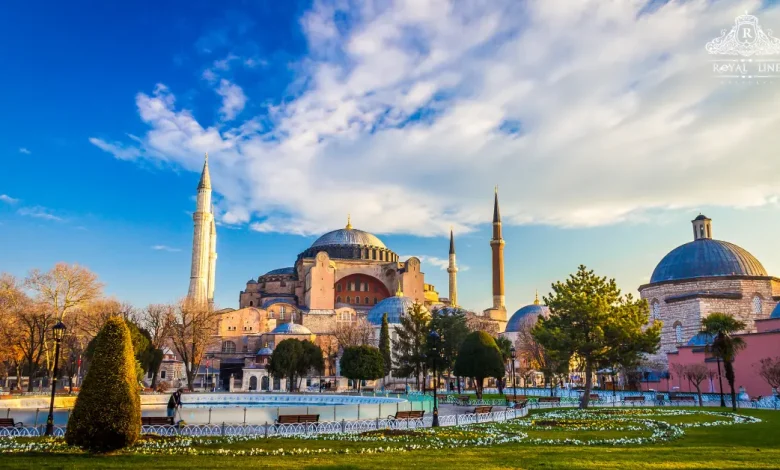
1) Istanbul Wonders: Hagia Sophia, Blue Mosque, Topkapi, and the Bosphorus
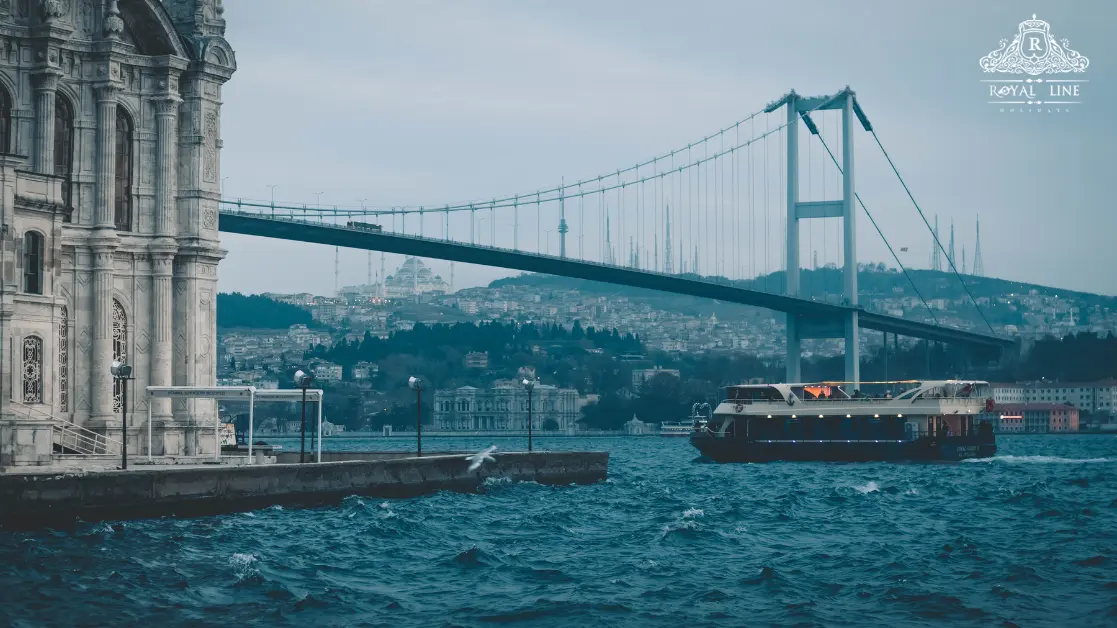
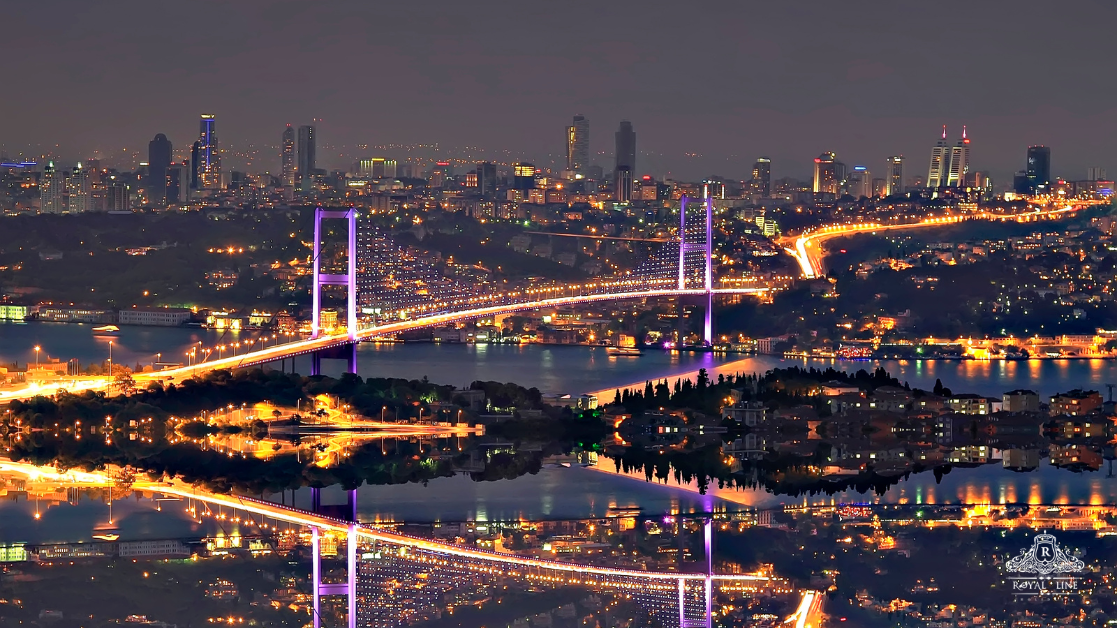
Istanbul is where Turkey’s past and present first reveal their depth. The essentials here are not just famous; they’re defining. Experiencing the Hagia Sophia, the Blue Mosque, and Topkapi Palace offers a layered view of religious, imperial, and artistic legacies that shape the city’s identity. Together, they anchor an exploration of the Roman and Byzantine traces threaded through Istanbul’s old quarters, forming a cohesive narrative that still feels astonishingly immediate. Complement these monumental visits with a Bosphorus cruise to understand Istanbul’s geography and grandeur from the waterline—palaces, neighborhoods, and bridges framed by currents linking continents. Then, lean into quieter pleasures and local rituals: rooftop breakfasts that gather bread, cheeses, olives, and honey under the first light, with minarets and domes rising all around.
- Hagia Sophia, Blue Mosque, and Topkapi Palace for Istanbul’s must-see triad.
- Roman/Byzantine sites to appreciate the city’s deep urban memory.
- Bosphorus cruise for a panoramic perspective of Europe and Asia in a single glance.
- Rooftop breakfast culture for a daily ritual that matches Istanbul’s skyline with indulgent simplicity.
These experiences offer a balanced introduction to the city’s essence: architectural mastery, spiritual spaces, imperial courts, and the flow of the Bosphorus that visually and sensorially unites them all.
2) Balat & Karaköy: Art, Revitalization, and Waterfront Promenades
As Istanbul renews itself, Balat and Karaköy distill the energy of 2026 into walkable, creative districts. Here, historic streets meet modern art scenes, and waterfront promenades invite unhurried discovery. Balat’s revitalization has sparked fresh cultural spaces among colorful facades and sloping lanes, while Karaköy channels a maritime spirit into galleries and urban hangouts. Together, they demonstrate how Istanbul’s artistic life has expanded beyond museums into everyday cityscapes—places where you can pause by the water, browse contemporary pieces, and see how Istanbul’s modern voice complements its monumental heritage.
- Modern art in accessible, lived-in urban settings.
- Waterfront promenades that make the Bosphorus a daily backdrop.
- Revitalized neighborhoods that foreground creativity without losing local character.
Visiting these districts alongside Istanbul’s classic landmarks showcases the city’s full spectrum: tradition and transformation, grandeur and street-level expression.
3) Grand Bazaar & Spice Bazaar: A Masterclass in Markets
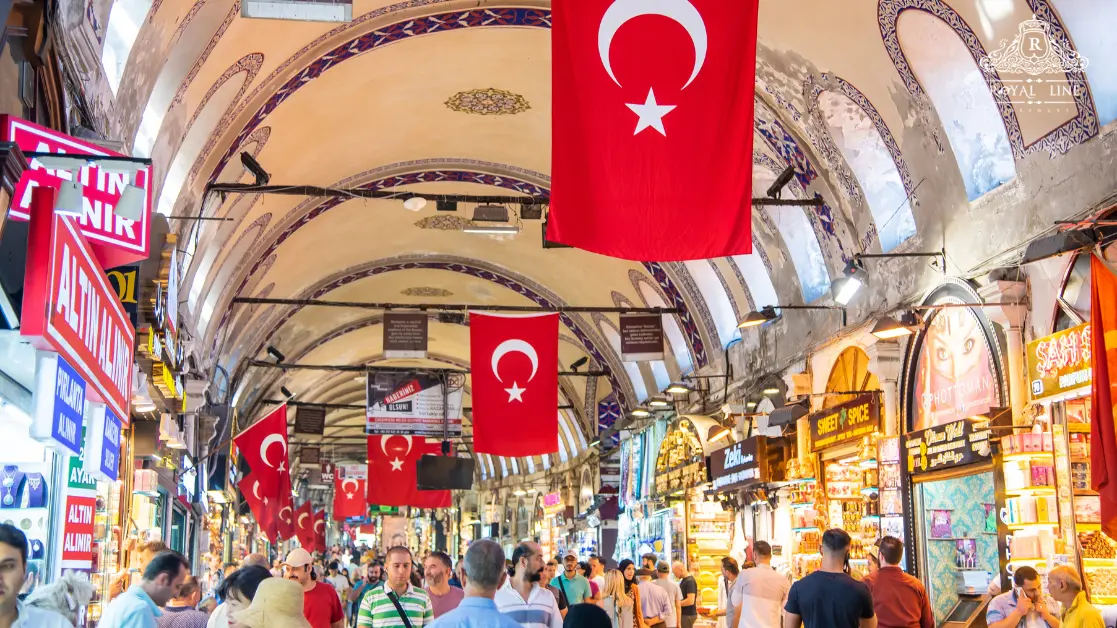
Turkey’s bazaar culture is more than shopping; it’s a hands-on introduction to the country’s material and culinary heritage. In Istanbul, the Grand Bazaar and the Spice Bazaar gather centuries of trade and craftsmanship into immersive, sensory environments. Spices, textiles, and gifts here are not merely souvenirs; they are tangible threads of Turkey’s cultural fabric, linking regions through patterns, ingredients, and skills. By engaging with these spaces, you experience the conversational rhythm of bargaining, the visual cadence of color-splashed stalls, and the conviviality that underpins daily life.
- Shop for spices that speak to Turkey’s culinary range.
- Explore textiles that reflect artisanal traditions.
- Pick up souvenirs that bear the imprint of place and craft.
Pair a bazaar visit with a rooftop breakfast or Bosphorus cruise for a full day that juxtaposes the city’s commerce and contemplation—both equally integral to Istanbul’s identity.
4) Ottoman Hammams: Timeless Bath Culture in Istanbul and Bursa
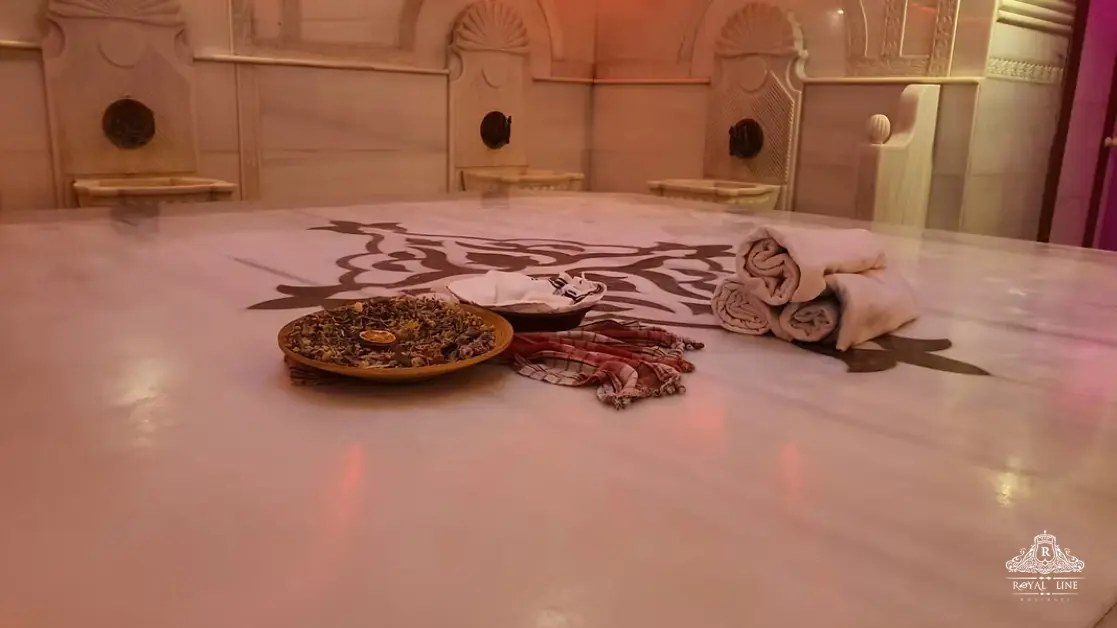
The Ottoman hammam experience is an essential ritual—one that folds cleansing, architecture, and relaxation into a single, unhurried session. In Istanbul, grand hammams such as Cağaloğlu or Kılıç Ali Paşa reveal an atmospheric lineage: domed steam chambers, carefully choreographed treatments, and design details that encourage reflection. Bursa, too, is a key destination for hammam culture, offering historic bathhouses that preserve and extend this tradition. Planning time for a hammam within a broader sightseeing day introduces balance: a way to recalibrate after the intensity of monuments and markets.
- Historic hammams in Istanbul like Cağaloğlu and Kılıç Ali Paşa.
- Bursa’s enduring bath culture as a complement to city explorations.
- Wellbeing-oriented travel that honors both body and place.
For travelers considering seasonal adventures, note that Bursa also adds an active dimension to a wellness-focused itinerary: you can combine the restorative calm of hammams with winter sport opportunities in the same region by choosing to ski in Bursa during the colder months. The pairing underscores Turkey’s range—steam-filled serenity alongside snow-fresh exhilaration.
5) Cappadocia Magic: Balloons, Underground Cities, and Cave Hotels
Cappadocia’s landscapes are so distinctive that they reframe how you think about terrain itself: soft volcanic forms sculpted into “fairy chimneys,” valleys scored with pathways, and hidden underground cities. At sunrise, hot air balloon rides reveal the breadth and beauty of this scenery in a way that’s as serene as it is spectacular. On the ground, staying in cave hotels makes the region’s geology part of your day-to-day routine; walls and rooms hewn from stone become part of the travel experience rather than merely the backdrop. Exploring underground cities adds another layer, giving insight into how communities adapted to and used this unusual environment.
- Sunrise hot air ballooning over fairy chimneys.
- Atmospheric cave hotels that root you in the landscape.
- Underground cities that expand the story of Cappadocia’s human geography.
Cappadocia also offers a striking seasonal variation: winter transforms familiar views into snow-dusted vignettes, lending a quiet, ethereal feel to valleys and villages. Whether you visit under summer light or winter clarity, the region speaks to travelers who value both spectacle and immersion.
6) Pamukkale’s Travertines and the Roman Leisure of Hierapolis
At Pamukkale, nature arranges itself into terraces of gleaming white, creating travertine pools that cascade down the hillside. Walking these terraces is both a visual and tactile experience—one that emphasizes the meeting of geology and water. Just above, Hierapolis adds a human chapter to the story: a Roman spa city that illustrates leisure, health, and urban life in an earlier age. Together, Pamukkale and Hierapolis form a complementary pairing; the land’s own design is foregrounded, then anchored by a city that embraced the site’s therapeutic allure.
- Walk the white travertine terraces of Pamukkale.
- Visit Hierapolis to situate the site within Roman cultural history.
- Balance scenic exploration with the context of ancient wellness practices.
The juxtaposition here is part of Turkey’s appeal: where earth seems to craft its own artwork, the past adds meaning, reminding you why people have gathered around these waters for centuries.
7) Ancient Ephesus: A Roman City Preserved in Place
Ephesus stands out as one of the world’s best-preserved Roman cities, offering a comprehensive view of classical urbanism in-situ. Wandering its avenues is less about ticking landmarks and more about absorbing an intact cityscape: streets, public spaces, and structures aligned to form a living map of ancient civic life. Ephesus is significant because it compresses the Roman world into an accessible walking experience—an open-air narrative of architecture, governance, commerce, and daily rhythms.
- Immerse yourself in a remarkably preserved Roman city.
- Use Ephesus as a framework to understand Roman-era urban planning and culture.
- Connect the site to Istanbul’s Roman/Byzantine substrates for a broader historical arc.
For travelers interested in the continuum of history, Ephesus pairs naturally with Roman and Byzantine sites in Istanbul and with Hierapolis near Pamukkale, forming a trio of destinations that illuminate the ancient Mediterranean world through Turkey’s landscapes.
8) Turquoise Coast: Bodrum, Fethiye, Kaş, and Kekova
Along the Turquoise Coast, seas turn vivid blues and greens, towns are tuned to the rhythms of the waterfront, and days unfold through a mix of leisure and adventure. In Bodrum, beach clubs and sophisticated coastal living are close at hand; in Fethiye, you can add altitude to your agenda by paragliding; in Kaş, the underwater world is the draw, with scuba diving that complements the coastal topography. Boat life is central as well: 12-island boat tours expand your horizon and slow the tempo, letting you anchor in quiet coves or gaze at the coastline from deck. Kayaking over the sunken city of Kekova adds a hint of mystery—a way to skim above an ancient world just beneath the surface.
- Relax at Bodrum beach clubs to embrace the coast’s leisurely side.
- Join 12-island boat tours for a sea-level survey of bays and islets.
- Paraglide in Fethiye to sip in the coastline from the sky.
- Scuba dive in Kaş for marine exploration.
- Kayak over the sunken city of Kekova to glimpse history below the waterline.
Coastal days here are as flexible as they are vivid—choose quiet repose or stack adventure upon adventure, all with a maritime backdrop that defines this edge of Turkey.
9) Black Sea Coast: Pontic Mountains, Sümela Monastery, and Ayder Plateau
The Black Sea Coast presents a different face of Turkey, one of mist-tinged mountains and secluded landmarks. The Pontic Mountains rise in green folds, creating a sense of remove that appeals to travelers who want landscapes that feel wild yet accessible. Among the region’s treasures is the Sümela Monastery, a remote site that underscores the interplay of spirituality and isolation in highland settings. Seasonal color is part of the appeal too: the Ayder Plateau is especially compelling in fall, when foliage paints the valleys and ridges in warmer tones. Together, these experiences offer a counterpoint to the Mediterranean South—less beach, more forest; less harbor, more highland trail.
- Explore the Pontic Mountains for panoramic, forested vistas.
- Visit remote monasteries like Sümela to connect landscape and devotion.
- Seek out fall foliage on the Ayder Plateau for a seasonal spectacle.
This region rewards unhurried itineraries, with each bend in the road promising new views and a sense of discovery distinct from the country’s classic routes.
10) A Culinary Journey: Gaziantep, Aegean Seafood, Kahvaltı, Markets, and More
Food is a throughline for traveling in Turkey, and 2026 continues to bring its flavors to the forefront. In Gaziantep, kebabs form a culinary anchor—smoky, seasoned, and emblematic of the region’s skill and generosity. Along the Aegean, fresh seafood aligns with breezy coastal towns, pairing local catches with simple preparations that foreground quality. The Turkish breakfast, or kahvaltı, remains a daily expression of abundance: cheeses, olives, breads, eggs, and spreads arranged to encourage slow starts and shared time. Markets are the connective tissue across these experiences, offering the freshest produce, pantry staples, and a training ground for your palate.
- Indulge in Gaziantep’s kebabs to experience regional depth.
- Enjoy fresh seafood in Aegean towns for coastal simplicity and flavor.
- Savor an authentic Turkish breakfast (kahvaltı) as a travel ritual.
- Explore local markets to source ingredients and learn by tasting.
- Add wine tastings at local vineyards and learn traditional crafts through hands-on classes for deeper cultural immersion.
Because cuisine here spans regions and traditions, it’s easy to weave food into any itinerary—sampling, learning, and dining your way through the country while building an understanding of its landscapes and histories through what’s on the table.
Seasonal and Active Add‑Ons: Winter Sports and Snow-Dusted Landscapes
Turkey’s diversity extends to winter, rewarding those who plan for cooler months. In Bursa, you can ski and then follow the slopes with a restorative hammam visit, wrapping activity and tradition into a single day. Cappadocia, meanwhile, trades its warm palette for frosty edges: snow-dusted landscapes lend the region a hush that reframes familiar sights. These seasonal experiences expand the country’s appeal beyond the high season, reaffirming that Turkey’s icons are compelling year-round and that its wellness and outdoor cultures can be paired to delightful effect.
How to Combine Turkey’s 2026 Highlights into a Cohesive Trip
Given the breadth of experiences, the art of traveling Turkey in 2026 lies in thoughtful sequencing. Begin with Istanbul’s wonders to establish historical and cultural context—Hagia Sophia, the Blue Mosque, Topkapi Palace, a Bosphorus cruise, and time in Balat and Karaköy to witness the city’s current creative pulse. From there, pivot to Cappadocia for its sunrise balloon rides, cave hotels, and underground cities, grounding your journey in landscapes that feel mythic yet real. Next, choose a direction by interest: head to Pamukkale and Hierapolis for geology and Roman leisure, then on to Ephesus for a complete picture of classical antiquity; or veer toward the Turquoise Coast to alternate between beach clubs, 12-island boat tours, paragliding in Fethiye, diving in Kaş, and kayaking above Kekova’s sunken city. If you prefer cooler air and verdant vistas, the Black Sea Coast offers the Pontic Mountains, the solitude of Sümela, and fall color on the Ayder Plateau.
Throughout, use food as your compass: plan a dedicated stop for Gaziantep’s kebabs, seek out seafood in Aegean towns, build mornings around kahvaltı, and thread markets into your daily explorations. Add wine tastings at local vineyards and a craft class to deepen your connection to the places you pass through. Should you time your trip for winter, consider incorporating skiing in Bursa and seeking out Cappadocia’s snow-dusted quiet, then balance activity with the calm of Ottoman hammams in Istanbul or Bursa to restore and reflect.
Travel Smart: What Makes These 10 Best in 2026
What distinguishes Turkey’s top experiences this year is their combined breadth and coherence. The country invites you to move fluently among empires and mountains, mosaics and hot springs, bazaars and bays. Istanbul’s icons are evergreen, yet 2026 also spotlights districts like Balat and Karaköy where modern art and waterfront promenades bring contemporary life forward. The Turquoise Coast scales easily from indulgent to adventurous; the Black Sea Coast provides a temperate, forested counterpoint; and Cappadocia continues to offer unforgettable mornings aloft. Culinary depth—in Gaziantep’s kebabs, Aegean seafood, and expansive Turkish breakfasts—ties every region together, while hammam traditions and seasonal options like skiing in Bursa keep wellbeing and activity central to the journey. This is a year to embrace Turkey’s variety, confident that its standouts harmonize into a narrative as satisfying as it is diverse.
FAQs: Planning the Best of Turkey in 2026
What are the absolute must-see landmarks in Istanbul?
Prioritize the Hagia Sophia, the Blue Mosque, and Topkapi Palace to anchor your understanding of the city’s heritage. Add a Bosphorus cruise for a panoramic sense of place, weave in a rooftop breakfast to savor the skyline, and make time for the Grand Bazaar and Spice Bazaar to engage with Istanbul’s market culture. For a contemporary counterpoint, explore the modern art and waterfront promenades of Balat and Karaköy.
How should I experience Cappadocia for maximum impact?
Center your visit on a sunrise hot air balloon ride over the region’s “fairy chimneys,” then stay in a cave hotel to make the landscape part of daily life. Explore underground cities to understand how people adapted to the terrain. In winter, seek the region’s snow-dusted serenity for a distinctive, quieter perspective.
Can I combine Pamukkale and Ephesus in a single trip?
Yes. Pamukkale’s white travertine terraces and the Roman spa city of Hierapolis pair naturally with Ephesus, one of the world’s best-preserved Roman cities. Together, they provide a cohesive exploration of classical-era leisure and urban life, complementing Roman and Byzantine sites you’ll encounter in Istanbul.
Where can I find the best coastal experiences?
Head to the Turquoise Coast. In Bodrum, unwind at beach clubs; in Fethiye, add excitement with paragliding; in Kaş, explore underwater worlds through scuba. Join 12-island boat tours to see more of the coast from the water, and kayak above the sunken city of Kekova for an encounter with history just below the surface.
What culinary experiences define Turkey in 2026?
Gaziantep’s kebabs highlight regional mastery, while Aegean towns excel at fresh seafood. Make Turkish breakfast (kahvaltı) a daily anchor, and use local markets as your map to flavors. Consider wine tastings at local vineyards and enroll in a traditional craft class to blend taste with hands-on cultural learning.
Which Istanbul neighborhoods showcase the city’s contemporary side?
Balat and Karaköy stand out for modern art and revitalized waterfront promenades. They demonstrate how Istanbul’s creative energy animates historic streets, offering a distinctive counterbalance to the monumental experiences of Hagia Sophia, the Blue Mosque, and Topkapi Palace.
Where can I experience authentic Ottoman hammam traditions?
In Istanbul, historic hammams like Cağaloğlu and Kılıç Ali Paşa provide atmospheric, restorative experiences. Bursa also has a rich bath culture; you can visit its hammams and, in winter, pair relaxation with skiing for a dynamic take on wellness travel.
What makes the Black Sea Coast different from the Mediterranean?
The Black Sea Coast is defined by the forested Pontic Mountains and remote spiritual sites like the Sümela Monastery. It’s also notable for seasonal color—especially on the Ayder Plateau in fall—making it a cooler, greener counterpoint to the sun-centric Turquoise Coast.
What can I buy in Turkey’s famous bazaars?
In the Grand Bazaar and Spice Bazaar, look for spices, textiles, and souvenirs that reflect regional tastes and craftsmanship. These markets are ideal places to connect with vendors, learn about ingredients, and choose pieces that carry the country’s character home with you.
Is Turkey a good destination for winter travel?
Yes. You can ski in Bursa and then recover in a traditional hammam, and in Cappadocia, winter brings snow-dusted landscapes that recast familiar views in a serene light. These options broaden the country’s appeal beyond peak seasons and add variety to itineraries focused on culture and nature.
Final Thoughts: Why Turkey’s Top 10 Shine in 2026
In 2026, Turkey’s best things to do and see are united by their range and resonance. The country invites you to shift gracefully between eras and environments: from Istanbul’s domes and palaces to Cappadocia’s otherworldly skies; from Pamukkale’s terraces to Ephesus’s ancient streets; from the salt-tinged ease of the Turquoise Coast to the evergreen drama of the Black Sea Mountains. Along the way, consistent pleasures—kahvaltı, kebabs, seafood, hammams, markets, art-filled neighborhoods, and hands-on learning—turn each day into a balanced progression of culture, cuisine, and landscape. Whether you’re after icons or new angles, Turkey’s top 10 deliver a complete, deeply satisfying journey—and a compelling reason to make 2026 the year you experience them.