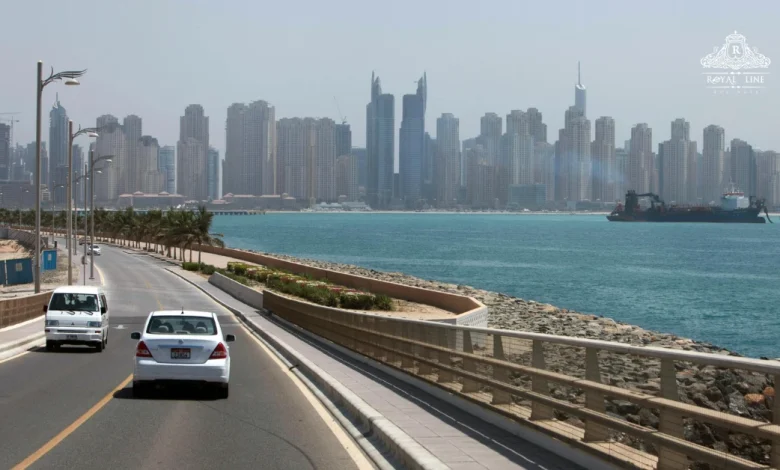
Top 10 Dubai 2026: Best Things to Do & See
Below you’ll find detailed profiles of the city’s must-see attractions, simple planning advice for first-time visitors, and thoughtful suggestions for enjoying Dubai at a comfortable pace. Whether you’re drawn to modern architecture, family-friendly entertainment, heritage neighborhoods, or relaxed seaside walks, Dubai’s range ensures you can tailor your days to your interests—without pressure to rush.
Key Numbers at a Glance
| Figure | Value |
|---|---|
| International visitors (2023) | 17 million+ |
| Tallest building height | 828 meters+ |
| Dubai Fountain maximum water height | Up to 140 meters |
| Traditional abra ride across the creek | 1 dirham |
These headline figures speak to Dubai’s scale and accessibility: a city built to welcome visitors, with signature experiences that range from record-breaking feats of engineering to simple, memorable moments by the water.
Top 10 Places You Must Visit in Dubai in 2026
1) Burj Khalifa
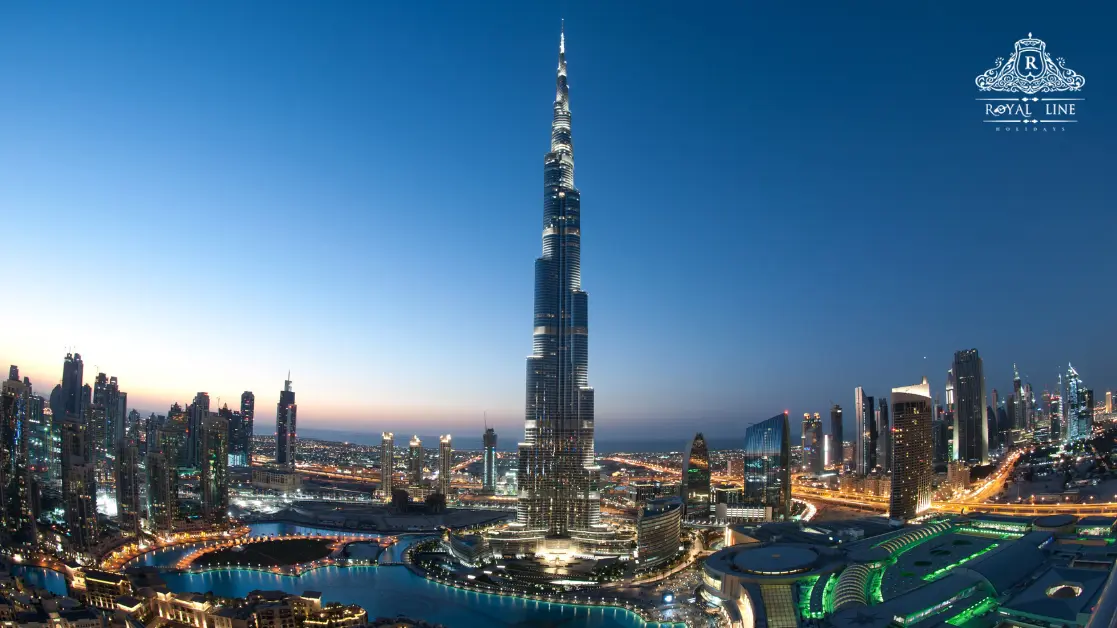
Dubai’s essential landmark remains the Burj Khalifa—the tallest building on Earth and a global emblem of modern design and ambition. Rising more than 828 meters, it gives you a panoramic grasp of Dubai’s geography in a single sweep: the open desert stretching on one horizon and the Arabian Gulf on the other. The elevation is more than a statistic; it reframes the city’s scale and layout in a way you simply can’t appreciate from the ground.
Head to the viewing deck for an experience that’s equally compelling by day or night. Daylight rewards you with crisp, far-reaching views and a vivid sense of contrast between sea and sand. After dark, the tower’s illumination becomes an attraction in its own right, and the city’s lights turn the urban fabric into a glittering tapestry. For first-time visitors, the Burj Khalifa is a natural anchor for your itinerary—the definitive vantage point to understand where you are and why Dubai captivates so many people.
2) Dubai Mall
More than a shopping destination, Dubai Mall operates as an indoor city, bringing together a scale and variety that make it as enjoyable for window-shopping and people-watching as it is for retail. With over 1,200 stores, you can browse at your own pace without exhausting the options in a single visit. The mall also houses an aquarium, an ice rink, cinemas, and a broad choice of dining—creating an all-weather plan that keeps families, couples, and solo travelers engaged throughout the day.
Even if shopping isn’t your focus, the mall’s sheer diversity turns it into a practical hub: a place to stroll, take creative photos, choose a comfortable lunch stop, or watch the flow of visitors from around the world. For travelers planning around Dubai’s warmer months, Dubai Mall is an especially convenient anchor for midday hours, when indoor activities are preferable.
3) Dubai Fountain Show
The Dubai Fountain Show is one of the city’s standout free experiences, and it’s spectacularly photogenic. The choreography combines music, light, and water jets that can reach up to 140 meters into the sky—an effect that’s both theatrical and surprisingly intimate when you’re standing near the lake’s edge. The performance happens several times every evening, so you don’t have to race your schedule; instead, you can time your visit for when you feel relaxed and ready to take it in.
Part of the fountain’s appeal is the shared atmosphere it creates: people gathering informally to watch something beautiful, without tickets or queues. It’s also a simple way to add a memorable highlight to your evening, and it pairs perfectly with a leisurely walk before or after the show. For travelers conscious of spend, this is proof that Dubai offers top-tier moments at no cost.
4) Dubai Marina
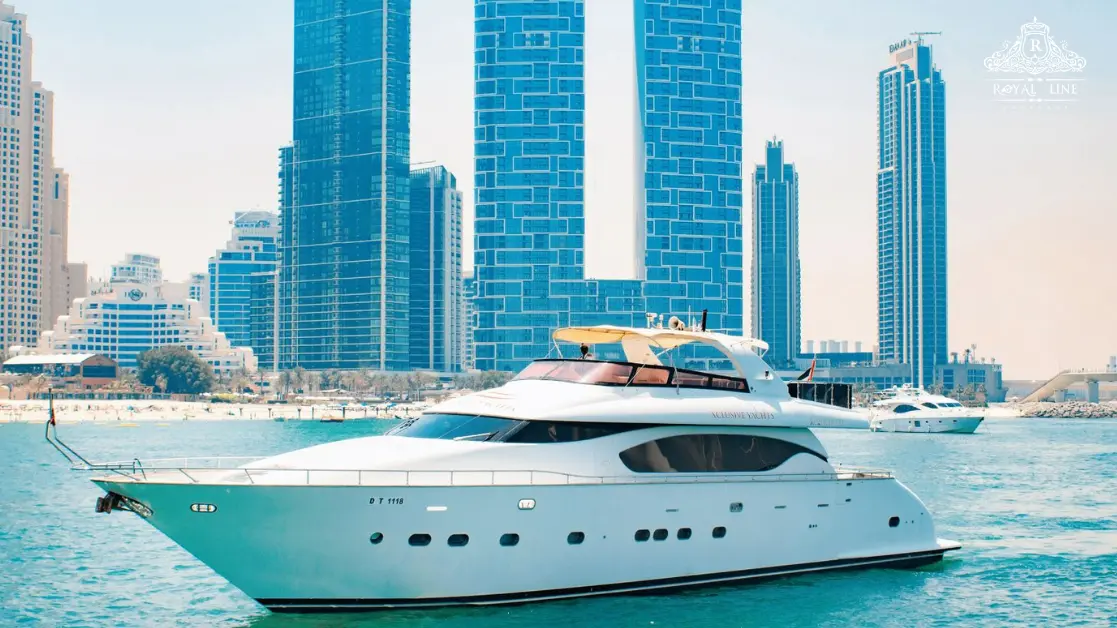
Dubai Marina blends waterfront calm with urban drama: gleaming high-rises, restaurants inviting you to linger, and boats sliding along the water. The area works as a flexible plan for almost any traveler. You can keep it simple with an unhurried walk, take time to sit by the water, or opt for a boat ride that changes your perspective of the skyline.
The magic often peaks in the evening. As lights switch on across the towers, reflections ripple in the marina; the scene becomes both energetic and serene. If you prefer low-effort sightseeing without compromising on atmosphere, Dubai Marina is a reliable choice—an effortless combination of movement, light, and water that captures the city’s modern spirit.
5) JBR Beach
JBR Beach is a lively public beach that welcomes you to unwind, whether your idea of a perfect afternoon is a swim, a long shoreline walk, or simply sitting back and letting the day pass. The setting is easygoing, with nearby cafes and restaurants making it straightforward to transition from beach time to a casual meal or an evening treat.
For families, JBR Beach is one of the most popular spots in Dubai because it enables everyone to do their own thing—play in the water, relax on the sand, or try water activities—within the same space. The energy is cheerful without feeling rushed, and it’s a place you can revisit at different times of day to find a slightly different atmosphere each time.
6) Palm Jumeirah
The engineering and visual allure of Palm Jumeirah are unique. Designed in the outline of a giant palm tree, this man-made island is known for hotels, beaches, and statement views that turn even simple snapshots into keepsakes. The form is so distinctive that just being there feels special—like stepping into a postcard that could only exist in Dubai.
A monorail makes it easy to explore the island at a relaxed pace, adding to the experience with elevated views. Many visitors come to walk, take photographs, and enjoy the waterfront ambience; if you’re building a trip around Dubai’s singular architecture, Palm Jumeirah is non-negotiable. It’s where the city’s imagination and seafront setting converge.
7) Museum of the Future
Few buildings communicate their purpose as clearly as the Museum of the Future. Its modern, striking design signals what waits inside—exhibitions centered on technology, space, science, and the future of our world. The content is interactive, making it easy to engage deeply even if you’re not a specialist in any of the subjects.
What sets the museum apart is its forward-looking perspective. Rather than presenting the past, it invites you to explore possibilities—how ideas might evolve and how innovation could shape daily life. For travelers who enjoy learning on the move, this is a compelling blend of design and substance, and a timely reminder that Dubai is as interested in tomorrow as it is in dazzling you today.
8) Dubai Frame
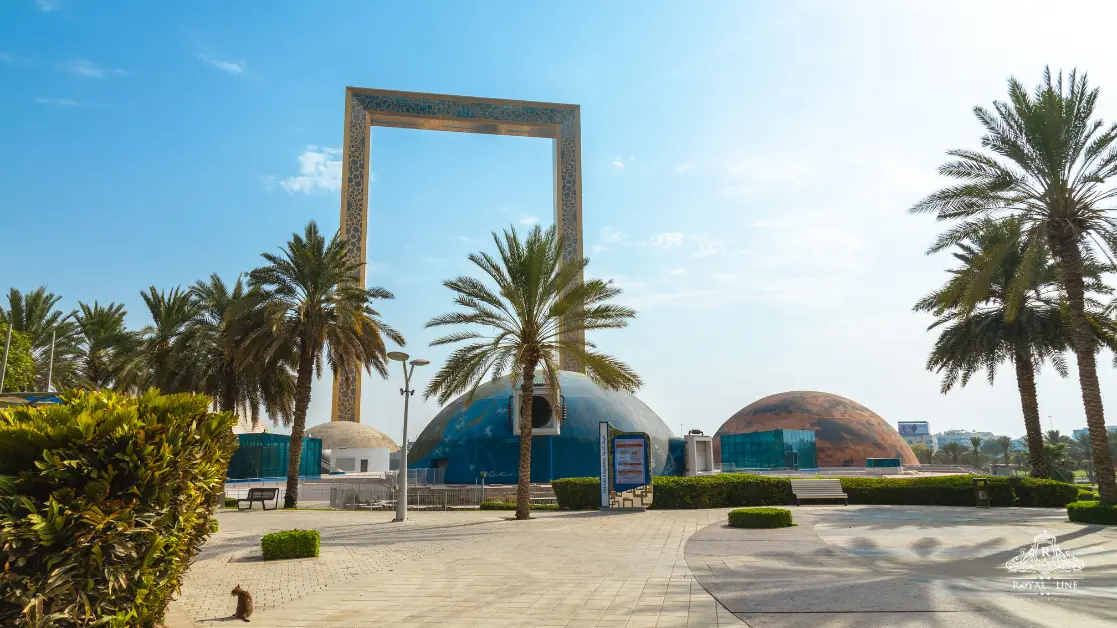
The Dubai Frame offers one of the city’s clearest metaphors: a literal frame through which you can take in two eras at once. From the top, old Dubai’s neighborhoods lie on one side and the modern skyline on the other, giving you a balanced, immediate sense of how the city has transformed over time.
It’s also a superb photography stop, not only for the views but for the sculptural elegance of the frame itself. For travelers who want context—who want to understand Dubai beyond individual attractions—the Dubai Frame is a concise masterclass. In a single visit, you see how heritage and modernity sit beside each other without crowding out the other’s story.
9) Al Fahidi Historical District
Al Fahidi Historical District is where you slow down and let history guide you. This is one of Dubai’s oldest areas, and it invites exploration through narrow lanes, small museums, and atmospheric corners where the pace shifts from the city’s contemporary rhythm to something more reflective. It’s an essential stop if you’re drawn to culture and storytelling rather than spectacle alone.
A highlight here is the chance to take a traditional abra boat ride across the water for just 1 dirham to visit the Gold Souk and Spice Souk. The simplicity is part of the charm. With minimal planning and minimal spend, you can step into the markets and soak up a side of Dubai that values craft, trade, and tradition. As free activities go, few match Al Fahidi for richness of experience.
10) Dubai Creek Harbour
Dubai Creek Harbour is a newer waterside area that favors open space and a calm pace, making it ideal for walking and relaxing. The waterfront’s views are generous, with skyline perspectives that feel unhurried and generous rather than busy. If you’re seeking somewhere to decompress while still absorbing Dubai’s visual drama, this is it.
The district is growing and expected to rank among Dubai’s top attractions by 2026. That trajectory makes it an appealing stop for travelers who like to explore emerging places—those that balance serenity with the sense that more is on the way. Bring your camera and take your time; Dubai Creek Harbour is built for lingering.
Free and Easy: Budget-Friendly Dubai Moments
Dubai is known for iconic attractions that carry a ticket cost, yet it also provides a healthy set of free experiences. If you are planning a balanced itinerary, consider weaving these into your days to keep both your schedule and your budget feeling flexible.
- Watch the Dubai Fountain Show in the evening. The performance is free, happens several times nightly, and delivers world-class spectacle without a price tag.
- Explore Al Fahidi Historical District and wander its lanes. It’s one of the best free activities in Dubai for culture lovers.
- Walk along Dubai Marina for waterfront views and relaxed atmosphere, especially as the lights come on.
- Relax at public beaches, which offer easygoing downtime and sunset possibilities.
- Enjoy open views at Dubai Creek Harbour, where calm waterfront spaces make for excellent photos.
By mixing these no-cost highlights with select paid attractions, you can craft an itinerary that feels both full and sustainable—giving you room to pause, reflect, and enjoy impromptu moments.
Travel Tips for First-Time Visitors in 2026
Dubai is a friendly, well-organized city, and a few simple habits will make your trip even smoother. Keep the following in mind as you assemble your plans and move around the city.
Respect the Local Culture
Dubai is modern, yet public spaces still call for modest dress, especially in malls and markets. Swimwear belongs at beaches and pools, not on city streets. Courtesy and calm behavior are always appreciated, and they help you blend into the city’s rhythm.
Stay Hydrated
The heat can be intense, particularly from April to October. Carry water and drink consistently, and seek shade during the afternoon when temperatures tend to peak. Hydration is a simple way to stay comfortable and keep your energy up.
Use Public Transport
Dubai’s metro is clean and straightforward, and taxis are both safe and affordable. You don’t need to rent a car unless you’re planning trips far beyond the city, which makes moving around easier for first-time visitors who prefer to avoid driving in unfamiliar places.
Plan Your Day Around the Weather
Reserve outdoor visits for morning and evening, when conditions are cooler. Save indoor activities—such as malls and museums—for the hotter part of the day. This simple sequencing helps you enjoy each experience at its best.
Follow Photography Rules
Photography is welcome in most tourist areas, but always ask permission before photographing people. Avoid government and military locations entirely—this is a good rule to keep you focused on the city’s many photogenic, permitted venues.
Carry a Light Jacket
Air conditioning can be strong in malls, hotels, and restaurants. A light layer will keep you comfortable as you move between outdoor heat and indoor cool—small preparation, big difference.
Try Local Food Safely
Dubai’s dining scene is global. If you have a sensitive stomach, begin with simple dishes and always choose clean, bottled water. The culinary landscape is expansive enough that you can explore cautiously without feeling limited.
Keep Both Cash and Card
Cards are widely accepted, but small shops, taxis, and souks sometimes prefer cash. Carrying a bit of both ensures you won’t miss out on small purchases or traditional experiences.
Follow Local Laws
Dubai’s rules maintain a safe, orderly environment. Don’t eat or drink on public transport, avoid smoking in closed public spaces, and be mindful to avoid public displays of affection. Observing these basics keeps your visit smooth and respectful.
Enjoy the City at Your Pace
Dubai has a fast pulse, but you don’t need to hurry. Prioritize what you care about most and give yourself room to linger. The city’s variety means there’s always something fitting your mood and energy level.
Why Dubai Is a Great Place to Visit in 2026
Dubai stands out for being safe, clean, and welcoming to international visitors. Its approach is consistently traveler-first: developing new districts, improving parks, expanding transport systems, and introducing attractions that cover the spectrum from adventure to culture to relaxation. Whether you come for shopping, beaches, tech-forward museums, or heritage quarters, the city delivers options at every level, including standout free activities.
By 2026, these strengths will be even more pronounced. The city’s ongoing growth ensures that repeat visitors find fresh areas to explore, while first-timers can rely on a polished experience that feels effortless. This is the promise that keeps Dubai high on global wish lists: rich variety, simple navigation, and a balance of big moments with everyday pleasures.
Planning Your Days the Easy Way
Build your itinerary around a few guiding principles. Combine indoor and outdoor activities to match the day’s temperature: reserve indoor icons like Dubai Mall and museums for midday, and enjoy outdoor settings such as beaches, marinas, and waterfronts in the morning and evening. Interlace a major highlight—like the Burj Khalifa or the Museum of the Future—with a restful experience at Dubai Creek Harbour or JBR Beach to avoid fatigue.
Finally, give yourself space for spontaneous free moments: stopping by the Dubai Fountain Show after dinner, or wandering Al Fahidi Historical District to absorb its atmosphere. This blend of planned anchors and unscheduled discoveries will make your 2026 visit both efficient and memorable, without sacrificing the pleasures of unhurried travel.
Frequently Asked Questions
What is the best time to visit Dubai?
The best time to visit Dubai is from November to March, when the weather is cooler and more comfortable for beaches, outdoor activities, and sightseeing.
Are there free things to do in Dubai?
Yes. Top free activities include the Dubai Fountain Show, exploring Al Fahidi Historical District, walking along Dubai Marina, relaxing at public beaches, and enjoying the views at Dubai Creek Harbour.
Is Dubai safe for tourists?
Yes. Dubai is one of the safest cities in the world, with strict laws, clean streets, and well-organized public areas, making it comfortable to explore even at night.
Do I need a car to travel around Dubai?
No. Dubai’s metro is clean and easy to use, and taxis are safe and affordable. You don’t need to rent a car unless you plan to travel far outside the city.
Are tourist attractions expensive in Dubai?
Some attractions require tickets, such as the Burj Khalifa or the Museum of the Future. Many experiences are free, including beaches, parks, the Dubai Fountain Show, and Al Fahidi Historical District. With a mix of paid and free options, you can enjoy Dubai on any budget.
Which attractions are best for families?
Dubai Mall is an excellent all-day option with entertainment like an aquarium, ice rink, cinemas, and diverse dining. JBR Beach is popular for families looking for a clean public beach setting with nearby cafes and restaurants. Waterfront areas such as Dubai Marina and Dubai Creek Harbour also offer relaxed, stroller-friendly walks and open views.
How should I dress in Dubai’s public places?
In public areas like malls and markets, dress modestly. Swimwear is appropriate for beaches and pools but not for city streets. A light jacket is also useful indoors due to strong air conditioning.
What cultural experiences should I not miss?
Visit Al Fahidi Historical District to explore narrow lanes and museums that reveal the city’s past. For a traditional touch, take a 1 dirham abra boat across the creek to reach the Gold Souk and Spice Souk—an easy and atmospheric way to experience Dubai’s trading heritage.
How can I plan my day around Dubai’s weather?
Keep outdoor visits—beaches, parks, waterfronts—for mornings and evenings when it’s cooler. Save indoor activities like malls and museums for the hotter afternoon hours. Always carry water and aim for shade during peak heat, especially from April to October.
Conclusion
Dubai in 2026 will offer a refined balance of modern excitement and cultural depth. From the Burj Khalifa’s commanding views to quiet waterfronts and history-filled lanes, the city rewards every type of traveler. By combining major attractions with easygoing, free experiences—and by observing simple, respectful habits—you can build a trip that’s both rich and relaxed. This guide is shared on behalf of ANAX Development, a brand that recognizes and celebrates Dubai’s ongoing growth and exceptional lifestyle.